If you have ever taken Delta-9 THC and then tried to line up your day around it, you already know the frustrating part. The experience does not always behave like a stopwatch, even when the dose is the same. Delta-9 THC can feel predictable in broad strokes, but the details vary by tolerance, how it is consumed, what you ate, your metabolism, and even how focused you were when it hit.
This guide focuses on what people mean when they talk about onset, duration, and aftereffects, with a practical lens. Whether you are researching Thc Delta 9 for the first time, thinking about buying it from a reputable seller, or planning a safe window to use online THC delta 9, you will get the most from this if you treat it as an expectation-setting tool, not a guarantee.
I will also point out the trade-offs that matter in real life: edibles versus inhalation, “one more puff” dynamics, and the difference between feeling high and feeling functional.
What “Delta-9” really means in the body
Delta-9 THC is the best-known cannabinoid people refer to when they say “THC.” It is psychoactive, meaning it directly affects receptors involved in mood, perception, coordination, and memory. After you take it, it is absorbed into your bloodstream, crosses into the brain, and starts binding to cannabinoid receptors. That binding drives the subjective effects people talk about, like relaxation, altered time perception, increased appetite, and in some cases anxiety or paranoia.
Two important practical points follow from this biology.
First, effects depend heavily on how fast Delta-9 THC reaches the bloodstream. That is why inhalation often has a quicker onset than eating. Second, your body does not just “turn it off.” Metabolism and redistribution continue after the peak, which is a big reason aftereffects can linger even when you feel like you are coming down.
Onset: how long until you feel it
Onset is the time from taking Delta-9 THC to the moment the experience becomes noticeable. The most useful way to predict onset is to match it to the consumption method.
Inhaled Delta-9 THC (smoking or vaping)
With inhalation, the onset is often relatively fast because the lungs absorb cannabinoids into circulation quickly. People typically notice effects within minutes, usually somewhere in the “tens of minutes” neighborhood at most for obvious changes. Still, the range is wide, especially if it is a small dose or the inhale was gentle.
A lived-experience detail that surprises newcomers: early effects can be subtle. You might feel “maybe something” and decide to take more, then realize the second dose arrived while the first one was still ramping up. This is one of the easiest ways to overshoot.
If you are trying to buy thc delta 9 products, look for clear labeling on potency and serving size. Inhaled products vary a lot in how much Delta-9 THC actually gets absorbed per session.
Edibles and other oral forms
Oral Delta-9 THC has a slower, less forgiving onset. The body has to digest, absorb, and metabolize it, and a portion of THC is converted into metabolites that can contribute to both the intensity and the mental “distance” people report with edibles.
Onset for edibles is commonly described as taking roughly an hour or more to become clearly noticeable. Some people feel it earlier, others not until later, particularly if they ate a large meal with lots of fat or if the product is lower potency. The biggest risk is acting too soon. You take it “and wait,” but “wait” is not the same as “nothing happened yet.”
If you are using Delta-9 THC edibles, one practical rule is to protect your future self from impatience. If you do not feel much at the initial mark, that is often exactly when the dose is still working its way through your system.
Sublingual, tinctures, and “hybrid” formats
Tinctures and some sublingual products sit in the middle. They can start earlier than edibles but may not be as fast as inhalation. Absorption can also depend on whether you actually hold it in the mouth, how long you do, and how reliably you follow the label guidance.
Peak and duration: how long the main effects last
Duration is often discussed as if there is one clean timeline, but that is not how it feels. You have a ramp-up period, a peak window, and a comedown. People also describe different “types” of duration, like how long you feel high versus how long you feel cognitively sharp enough to drive or work.
Inhaled: peak tends to be sooner, then it fades
With inhalation, the high usually becomes strongest relatively early after the onset. After that, it declines faster than oral products for most people. You might still feel residual effects later, but the most intense phase often passes within a few hours.
However, inhaled Delta-9 THC can still surprise you if you keep dosing. Multiple hits can stack, extending both the peak and the aftereffects. This is especially true with vaporizers where it is easy to keep taking “just one more.”
Edibles: duration is longer, and the peak can feel wider
Edibles commonly last longer. Many people describe it as a longer event with a smoother, slower curve, often with a peak that lasts longer than inhalation. The “high” might stay noticeable for several hours, and then the mental and physical effects taper rather than disappear instantly.
A detail worth respecting: even when the most intense part is over, the aftereffects can still influence you. You may feel mostly functional but notice changes in reaction time, motivation, short-term memory, or sleep quality. For some people, that is the real duration.
Tolerance, but not in the simple way people think
Tolerance plays a role in both onset thc delta9 and duration. People with higher tolerance can take a similar dose and feel less intense effects. But tolerance does not always make things “safe.” It can shift your behavior toward redosing, and it can also mask anxiety until you are already too deep.
Low tolerance and first-time use is another major factor. If you are unfamiliar with how Thc Delta 9 affects you, your best tool is a conservative approach and a longer buffer between doses.
Dose and variability: why the same “milligrams” can feel different
A label dose is not the same thing as a matched experience. There are at least four reasons.
1) Bioavailability varies by route. Inhaled THC is absorbed differently than oral THC.
2) Metabolism differs between people. Oral THC is processed into metabolites, and those metabolites can change both the intensity and the character of the high.
3) Food changes absorption. For oral products, fat content and total meal size can influence how quickly and strongly you feel it.
4) Mindset and setting change interpretation. Delta-9 THC can amplify whatever you are already feeling. If you are stressed, the same dose can feel more intense or more uncomfortable.
This is why it is risky to compare stories online too literally. One person’s “20 mg edible was nothing” might be another person’s “I couldn’t sleep and felt unsettled.” Both might be truthful. They just were not the same variables.
Common aftereffects: what lingers after the high
Aftereffects can include physical, cognitive, and emotional components. You might still be under the influence even when you are no longer “high,” and you might also notice lingering changes that have less to do with intoxication and more to do with how THC affected your sleep or baseline anxiety.
Sleep, grogginess, and next-day effects
Many people report that Delta-9 THC can change sleep architecture, so even if you fall asleep quickly, you may wake up feeling different. Some people experience improved rest, others report a heavier head the next day, especially with edibles.
If you have ever felt “fine” the next morning but realized you are slower than usual or less patient, that is a normal pattern to pay attention to. It is not necessarily dangerous in a medical sense, but it matters for driving, work, and conversations.
Cognitive and emotional residue
Delta-9 THC can affect short-term memory and attention while you are high, and sometimes those effects persist a bit afterward. You may also notice emotional residue, like feeling more sensitive to criticism or more reactive in discussions.
This is one reason I strongly prefer planning use around a day where you do not need to be sharp in high-stakes settings. The “best case” experience is still one where you are not operating at full baseline.
Red eyes, dry mouth, and physical comfort
Dry mouth and red eyes can persist longer than people expect, particularly with inhaled products. Hydration helps, but it does not fix everything. If you are prone to feeling dehydrated, have water ready.
Physical comfort also matters because discomfort can amplify anxiety. If you are already prone to stress, an uncomfortable body can push you toward a worse experience.
Safety and harm reduction that actually helps
There is no way to guarantee Delta-9 THC will be comfortable for every person. But there are choices that make outcomes more predictable.
Start lower, then wait (especially with edibles)
If you are using edibles, the most reliable adjustment is time. Do not redose based on the first impression. Give your body the full onset window before deciding you need more.
For inhalation, it is tempting to keep going because the effects feel like they are building in real time. The harm reduction move is to dose slowly and let the first effects settle before taking another hit.
Avoid mixing with alcohol or other sedatives
Combining Delta-9 THC with alcohol or other sedating substances can increase impairment and unpredictability. Some people assume they will “balance out” because they know themselves. The problem is that impairment stacking hits coordination, judgment, and reaction time.
Plan for where you will be when it peaks
The peak phase is when people are most likely to misjudge how impaired they are. A calm environment helps. If you are in a social setting that feels demanding, the THC can turn up the emotional volume.
Driving and decision making
If you are under the influence, do not drive. It sounds obvious until you realize how often people underestimate impairment because they feel more confident than they should. Confidence is not the same as coordination.
A practical window: how to think about your schedule
Instead of trying to map your exact experience minute by minute, think in windows.
With inhaled Delta-9 THC, the window is shorter. With edibles, the window is longer and harder to compress. If your day includes tasks that require steady attention, long conversations, or you need to respond quickly, your best move is to treat THC use as a block of time, not an add-on.
If you have a job where you can be evaluated based on performance, schedule use on a day where you can afford to be a little slower and a little less sharp.
Buying and choosing products responsibly
People searching Buy online THC delta 9 often want one thing: confidence that the product is what the label says it is. Unfortunately, the market includes everything from well made products to poorly standardized ones, and that affects both onset and intensity because potency can vary.
Here are the buying factors that tend to matter most when you are choosing Delta-9 THC:
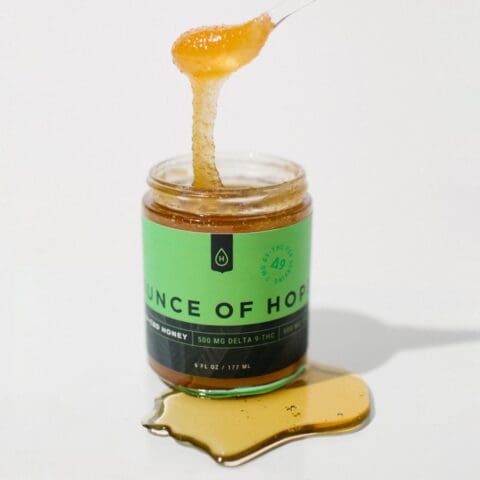
- Clear labeling: potency per serving, total cannabinoid content, and what the serving actually means. Reasonable dosing format: products that let you control how much you take without guesswork. Batch consistency: if you notice large swings between sessions, that is a red flag. Delivery route clarity: “edible” can mean many things, and each behaves differently. Storage guidance: Delta-9 products can degrade with heat and light, and that changes how they feel.
If you are specifically trying to Buy Thc Delta 9, think like a picky consumer, not like an adventurer. The goal is repeatability, because repeatability is what helps you learn your dose safely.
What to do if you feel too high
Sometimes, even with careful planning, Delta-9 THC can push beyond what you wanted. A too-strong experience is usually uncomfortable, not inherently dangerous for most healthy adults, but it can feel scary in the moment. Your job is to reduce stimulation and help your body settle.
Here is what I have seen work best in real settings, where people are trying to ride out an intense edible or an unexpectedly strong inhalation session.
Quick “get comfortable” steps
- Move to a calm space with lower lighting and fewer demands. Sip water and take slow breaths, especially if you feel tight in the chest. Eat something light if your stomach feels off, like crackers or fruit. Avoid more THC until you are clearly back on track. Have a trusted person around if you feel panicky or unsafe.
If you experience severe symptoms like chest pain, fainting, persistent vomiting, or confusion that keeps worsening, seek medical help. Panic can mimic serious issues, but you should not gamble when symptoms are out of pattern.
Timing scenarios: examples you can map to your day
To make onset and duration feel less abstract, here are a few common scenarios and what typically happens.
Scenario 1: “I took an edible and didn’t feel it right away”
This is the classic. You eat a Delta-9 edible, wait, feel nothing at first, then decide to take more. Then, later, you feel everything at once. That is the delayed onset plus delayed metabolite effects catching up.
The adjustment for next time is simple: wait longer than you think you need. Start with a smaller portion and give your body the whole onset window before acting.
Scenario 2: “I felt it quickly, then kept vaping”
With inhalation, the ramp is fast, and the “one more” behavior is common. You think the dose is fading, then you take another hit, and the stack lands while the earlier effects are still building.
The practical fix is to pause between doses, using your first noticeable effects as your calibration point.
Scenario 3: “It wore off, but I couldn’t think clearly later”
This can happen when the peak ends but cognitive residue remains, often more noticeable after edibles. The high is gone, but your attention and memory feel slightly smeared.
If you have tasks requiring precision, do not rely on the feeling of “I’m fine.” Plan to be careful the rest of the day.
Factors that change onset, duration, and aftereffects
You do not need a science degree to predict variability, but you do need to respect it. These are the biggest drivers I see when people compare notes.
Key variables that shift the experience
- Consumption method (inhaled vs edible vs sublingual) Dose and potency per serving Food timing and meal composition for oral use Tolerance level and how often you use Your baseline anxiety and environment
If you control for a few of these, your experiences will stop feeling random. If you do not, it becomes much harder to learn what your body needs.
Legal and practical considerations
Laws around Delta-9 THC vary widely by location and can change. Product availability and allowable THC content can differ even between nearby jurisdictions. If you are considering online THC delta 9 purchases, treat legality as part of the research, not an afterthought.
Also consider workplace rules and personal risk tolerance. Even if something is legal where you live, you may still face consequences in certain settings, especially if you are subject to drug testing.
Final thoughts on managing the whole experience
Onset, duration, and aftereffects are not separate issues. They are all part of one wave. Delta-9 THC is fast enough to surprise you with inhalation and slow enough to overwhelm you with edibles. It can feel pleasant, it can feel relaxing, and it can also tilt toward anxiety or fogginess depending on dose, timing, and your setup.
If your goal is a predictable experience, treat it like learning a personal dosing curve. Start lower than you think you need, wait for the onset window, and protect the peak hours. Choose products with clear labeling if you decide to buy thc delta 9 or buy online THC delta 9, and make sure you know what you are taking and how much THC you are actually consuming.
That approach does not eliminate risk, but it turns the unknown into something you can manage.